⋅
⋅

The agentic service desk
A better inbox organizes the work.
Ravenna completes the work.
A better inbox organizes the work. Ravenna completes the work.
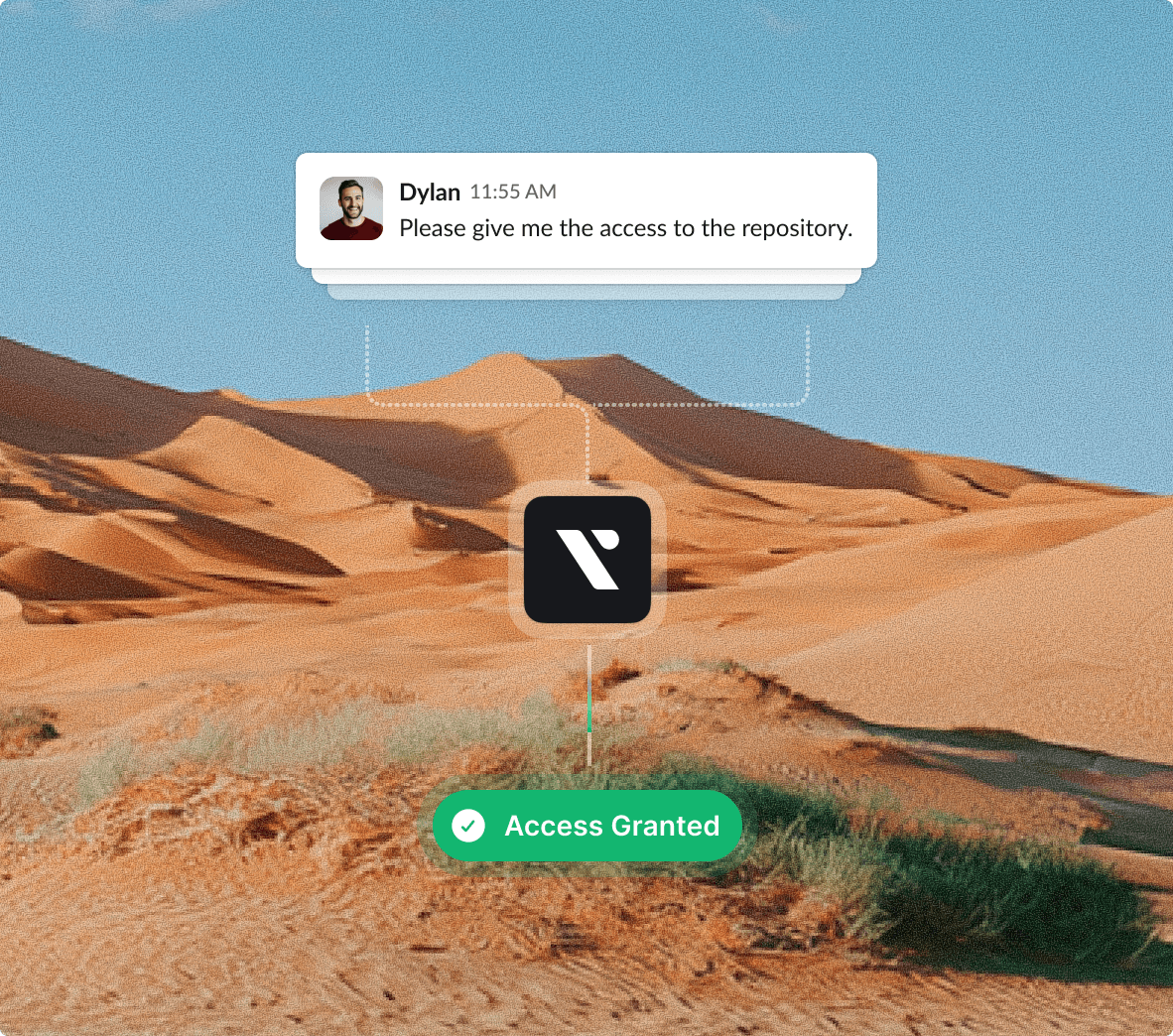
Every Slack-native ticketing tool implied it would eventually handle the work. Ravenna’s AI grants access, resets the password, and runs the onboarding right inside Slack. Managing the request and resolving it are not the same thing.
Every Slack-native ticketing tool implied it would eventually handle the work. Ravenna’s AI grants access, resets the password, and runs the onboarding right inside Slack. Managing the request and resolving it are not the same thing.
See it resolve a live request on your own stack.
See it resolve a live request on your own stack.


Loved by employees at:




















Three reasons teams are leaving Foqal
Foqal was built for a simpler era of internal support where requests are getting lost in Slack, and capturing them into a structured queue was the right problem to solve. For teams moving into an AI-native stack where the expectation is execution, not organization, three patterns keep coming up.

Built for ticket masters, not modern operators
Foqal requires ITSM expertise to configure, test, and maintain. Building automations means manual work, manual debugging, and a learning curve that assumes you think in ticket workflows. For operators who want to describe what they need in plain language and have it built, Foqal puts that responsibility back to you

An AI agent that surfaces information but can’t take action
Foqal’s agent is decent at answering questions from a knowledge base. What it won’t do is act. An agent that can’t execute the most routine tasks isn’t reducing your team’s workload. It’s just a search bar with a conversational interface

No visibility into what the agent is actually doing
Teams trying to track deflection rates find the numbers contradicting themselves, with no way to understand why or improve over time. Without an audit trail, every week starts from scratch and leadership questions about ROI have no trustworthy answer behind them.

Slack ticketing solved a problem
you no longer deal with
Slack ticketing solved a problem you no longer deal with

A few years ago, the problem was requests getting lost in Slack DMs, and a wave of helpdesk tools fixed exactly that. They caught the message, turned it into a ticket, and made sure nothing slipped through the cracks. For a lot of teams, that was a real improvement.
The problem is that most teams aren't losing requests anymore. They're drowning in tracked ones. A wall of open tickets, each one sitting there waiting for a human to read it, chase down an approval, and manually do the work. The volume didn't go away, it just got more visible. And visibility without execution is just a better organized backlog.
Catching the request was an easy problem to solve. Completing it without a human in the middle was always the harder one, and most helpdesk tools stopped well short of that line.
A few years ago, the problem was requests getting lost in Slack DMs, and a wave of helpdesk tools fixed exactly that. They caught the message, turned it into a ticket, and made sure nothing slipped through the cracks. For a lot of teams, that was a real improvement.
The problem is that most teams aren't losing requests anymore. They're drowning in tracked ones. A wall of open tickets, each one sitting there waiting for a human to read it, chase down an approval, and manually do the work. The volume didn't go away, it just got more visible. And visibility without execution is just a better organized backlog.
Catching the request was an easy problem to solve. Completing it without a human in the middle was always the harder one, and most helpdesk tools stopped well short of that line.

A few years ago, the problem was requests getting lost in Slack DMs, and a wave of helpdesk tools fixed exactly that. They caught the message, turned it into a ticket, and made sure nothing slipped through the cracks. For a lot of teams, that was a real improvement.
The problem is that most teams aren't losing requests anymore. They're drowning in tracked ones. A wall of open tickets, each one sitting there waiting for a human to read it, chase down an approval, and manually do the work. The volume didn't go away, it just got more visible. And visibility without execution is just a better organized backlog.
Catching the request was an easy problem to solve. Completing it without a human in the middle was always the harder one, and most helpdesk tools stopped well short of that line.
A few years ago, the problem was requests getting lost in Slack DMs, and a wave of helpdesk tools fixed exactly that. They caught the message, turned it into a ticket, and made sure nothing slipped through the cracks. For a lot of teams, that was a real improvement.
The problem is that most teams aren't losing requests anymore. They're drowning in tracked ones. A wall of open tickets, each one sitting there waiting for a human to read it, chase down an approval, and manually do the work. The volume didn't go away, it just got more visible. And visibility without execution is just a better organized backlog.
Catching the request was an easy problem to solve. Completing it without a human in the middle was always the harder one, and most helpdesk tools stopped well short of that line.

Three things a ticketing tool can't do
It doesn't route the work.
It finishes it.
Meet your internal support command center
01
The AI does the task, not just the triage
Ask for a Salesforce seat and Ravenna grants it. It checks the policy, gets the manager's approval, and provisions the access in Okta itself. Same for password resets, group membership, and onboarding across your HR, identity, and device tools. A ticketing tool tells someone to go do it. Ravenna goes and does it.
The AI does the task, not just the triage
You build workflows by describing them
Every answer makes the next one faster

01
The AI does the task, not just the triage
Ask for a Salesforce seat and Ravenna grants it. It checks the policy, gets the manager's approval, and provisions the access in Okta itself. Same for password resets, group membership, and onboarding across your HR, identity, and device tools. A ticketing tool tells someone to go do it. Ravenna goes and does it.
The AI does the task, not just the triage
You build workflows by describing them
Every answer makes the next one faster
01
The AI does the task, not just the triage
Ask for a Salesforce seat and Ravenna grants it. It checks the policy, gets the manager's approval, and provisions the access in Okta itself. Same for password resets, group membership, and onboarding across your HR, identity, and device tools. A ticketing tool tells someone to go do it. Ravenna goes and does it.
The AI does the task, not just the triage
You build workflows by describing them
Every answer makes the next one faster
Ravenna is your internal support command center
A complete AI Native Enterprise Service Management platform. Not just AI agents focused on IT.


When someone asks for software access
The agent checks your policy, gets the manager's okay, and turns on the access in Okta. Done in the thread.
Opens a ticket. Someone on your team picks it up and does it by hand.
When the same question gets asked again
Already answered. The agent pulls from a knowledge article it wrote the first time.
You write and update the knowledge base yourself.
Building a new workflow
Type what you want in plain English. The agent builds it. You tweak it on a canvas.
Configure rules and fields by hand.
Proving it's working
A dashboard shows what the AI closed alone, what it assisted, and the hours you got back.
Not shown.
Getting started
Connect your tools. Live in under a week.
One to two weeks for a full rollout.
What it replaces
Your whole ticketing system.
Sits next to Zendesk or Jira. You keep paying for both.
Where it runs
Slack, built deep.
Slack and Teams, built wide.
When someone asks for software access
Opens a ticket. Someone on your team picks it up and does it by hand.
The agent checks your policy, gets the manager's okay, and turns on the access in Okta. Done in the thread.
When the same question gets asked again
You write and update the knowledge base yourself.
Already answered. The agent pulls from a knowledge article it wrote the first time.
Building a new workflow
Configure rules and fields by hand.
Type what you want in plain English. The agent builds it. You tweak it on a canvas.
Proving it's working
Not shown.
A dashboard shows what the AI closed alone, what it assisted, and the hours you got back.
Getting started
One to two weeks for a full rollout.
Connect your tools. Live in under a week.
What it replaces
Sits next to Zendesk or Jira. You keep paying for both.
Your whole ticketing system.
Where it runs
Slack and Teams, built wide.
Slack, built deep.
You won't lose what you've built
Where Ravenna and
Foqal differs
Where Ravenna and
Foqal differs
Moving tools sounds like a project. This one isn't. We import your existing tickets and history during onboarding, so your reporting keeps its continuity and the AI learns from your team's real patterns from day one. No consultant, no implementation fee, no quarter-long rollout.
Moving tools sounds like a project. This one isn't. We import your existing tickets and history during onboarding, so your reporting keeps its continuity and the AI learns from your team's real patterns from day one. No consultant, no implementation fee, no quarter-long rollout.

Works with the tools you
already pay for

Works with the tools you already pay for
Your security team
will be fine with this
Your security team
will be fine with this
SSO through SAML 2.0. Role-based access. Encryption in transit and at rest. Full audit logging. Your data is never used to train models. Full trust report online, no sales call required.
SSO through SAML 2.0. Role-based access. Encryption in transit and at rest. Full audit logging. Your data is never used to train models. Full trust report online, no sales call required.
SOC2

HIPAA

GDPR
FAQ
How is this different from a Slack ticketing tool like Foqal?
Ticketing tools catch the request and route it to a person. Ravenna catches it and resolves it. The difference is who does the actual work: your team, or the agent.
How is this different from a Slack ticketing tool like Foqal?
Ticketing tools catch the request and route it to a person. Ravenna catches it and resolves it. The difference is who does the actual work: your team, or the agent.
What does “agentic” really mean here?
It means the AI takes the action, not just suggests one. It provisions the Okta seat. It resets the password. It runs the onboarding across your systems. A chatbot answers questions. An agent does the job.
What does “agentic” really mean here?
It means the AI takes the action, not just suggests one. It provisions the Okta seat. It resets the password. It runs the onboarding across your systems. A chatbot answers questions. An agent does the job.
We're on Microsoft Teams. Can we use Ravenna?
Not today. We built deep on Slack. If your company runs on Teams, we're honestly not your fit. If you're on Slack, that focus is the whole advantage.
We're on Microsoft Teams. Can we use Ravenna?
Not today. We built deep on Slack. If your company runs on Teams, we're honestly not your fit. If you're on Slack, that focus is the whole advantage.
How long until we're live?
Under a week for most teams. Connect your tools, we bring your history over, and the AI starts resolving on day one.
How long until we're live?
Under a week for most teams. Connect your tools, we bring your history over, and the AI starts resolving on day one.
Can it replace our current ITSM tool?
Yes. Teams run Ravenna as their system of record after moving off Jira Service Management, Freshservice, SolarWinds, and Zendesk.
Can it replace our current ITSM tool?
Yes. Teams run Ravenna as their system of record after moving off Jira Service Management, Freshservice, SolarWinds, and Zendesk.
What does it cost?
Starts at $50 per agent per month. Book a demo for a quote sized to your team.
What does it cost?
Starts at $50 per agent per month. Book a demo for a quote sized to your team.
Watch it close a real ticket.
Watch it close a real ticket.
Fifteen minutes on your own Slack and your own stack. We'll run a live request from message to resolution. If it doesn't do what we just said, you've lost fifteen minutes.



Ravenna Software, Inc., 2026
Ravenna Software, Inc., 2026
Ravenna Software, Inc., 2026
Ravenna Software, Inc., 2026