⋅
⋅

THE SLACK-NATIVE AGENTIC SERVICE DESK
Autonomous IT support
that lives in Slack and Teams
Ravenna resolves employee requests right in Slack and Teams, with workflows and approval rules your team configures. If you’re considering a Serval alternative, see how Ravenna handles a request in the tools you already use.
See it resolve a live request on your own stack.
See it resolve a live request on your own stack.


Loved by employees at:
















Built for the way
Modern IT teams work
Start with the work your team needs to handle: how employees ask for help, which actions need approval, and how your admins build and update workflows.

Built for chat
Ravenna is designed to work exceptionally well in Slack and Teams, where employees already ask for help.
Built for chat
Ravenna is designed to work exceptionally well in Slack and Teams, where employees already ask for help.

You hold the control
Choose which actions run automatically and where a person needs to approve. Configure the workflow around your team’s policies, then review it before publishing.
You hold the control
Choose which actions run automatically and where a person needs to approve. Configure the workflow around your team’s policies, then review it before publishing.

Build with your team
Your team can describe an automation in plain language with Ravenna’s Copilot, review the proposed plan, and open the workflow editor to review and publish it.
Build with your team
Your team can describe an automation in plain language with Ravenna’s Copilot, review the proposed plan, and open the workflow editor to review and publish it.

Why teams choose
Ravenna over alternatives

Ravenna is built around resolution. It combines the conversation, company knowledge, ticket context, and actions across connected tools in one service desk, so each step stays connected from the first message to the final outcome.
Bring a request your team handles every week to the demo. We’ll show you how Ravenna can answer, act, and involve a person when needed, using the systems and policies you already have.

Ravenna is built around resolution. It combines the conversation, company knowledge, ticket context, and actions across connected tools in one service desk, so each step stays connected from the first message to the final outcome.
Bring a request your team handles every week to the demo. We’ll show you how Ravenna can answer, act, and involve a person when needed, using the systems and policies you already have.

The Ravenna difference
Ravenna is built to resolve requests,
not manage more tools.
01
Handle requests where your team works
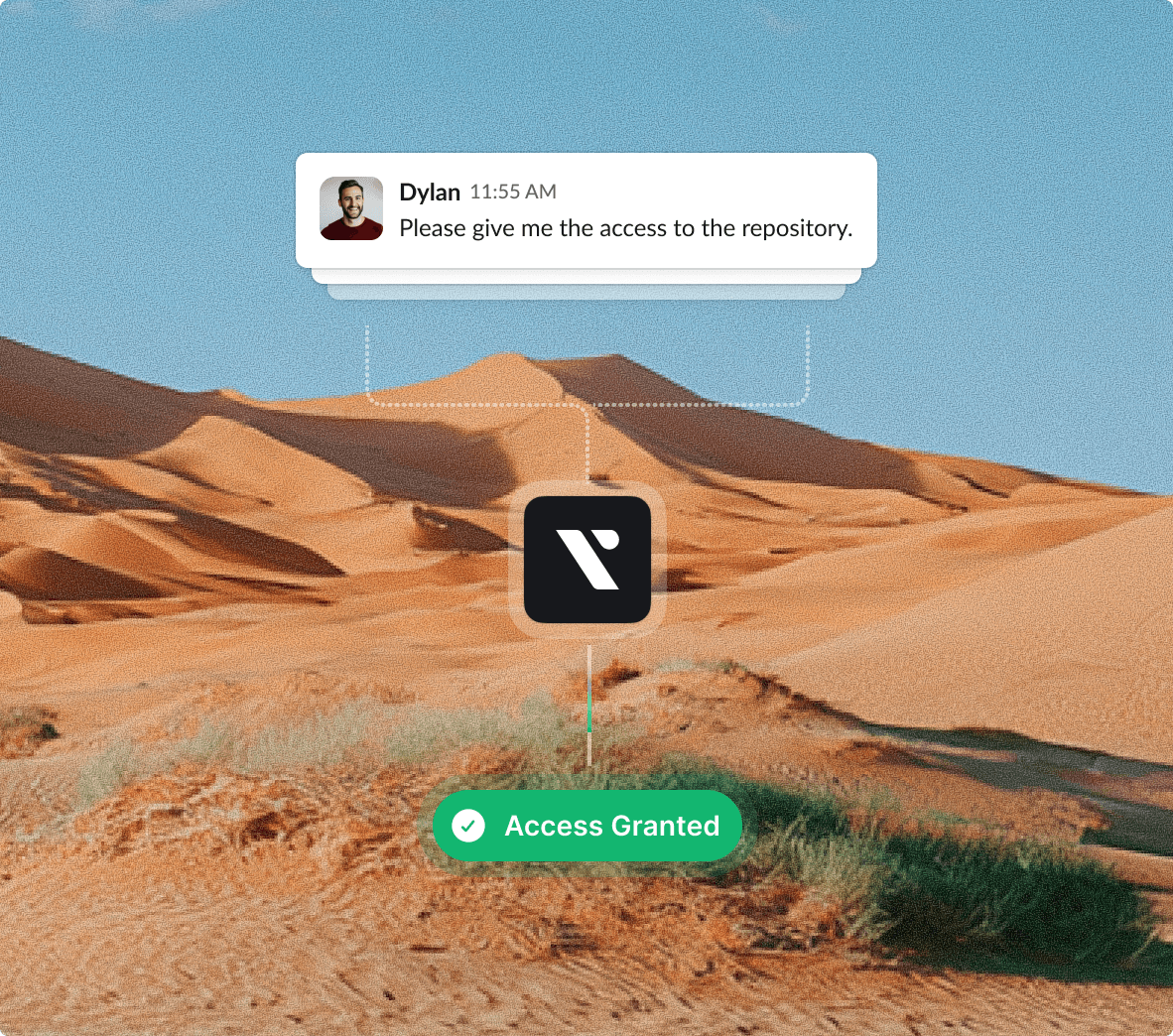
Employees can ask for help in Slack or Teams, and Ravenna handles the request in the conversation. Your support team can review the context and use configured workflows to take the next step. Start with the channel your employees already use for help.
Handle requests where your team works
Choose where approval is needed
Build, review and update workflows

01
Handle requests where your team works
Employees can ask for help in Slack or Teams, and Ravenna handles the request in the conversation. Your support team can review the context and use configured workflows to take the next step. Start with the channel your employees already use for help.
Handle requests where your team works
Choose where approval is needed
Build, review and update workflows
01
Handle requests where your team works
Employees can ask for help in Slack or Teams, and Ravenna handles the request in the conversation. Your support team can review the context and use configured workflows to take the next step. Start with the channel your employees already use for help.
Handle requests where your team works
Choose where approval is needed
Build, review and update workflows
You're always in control.
Switch to Ravenna
and give control back
to your support team
What moving to Ravenna actually looks like
Give your team a clear view of the work. Ravenna keeps the conversation and ticket activity together, so you can see what’s happened and what needs attention. When a request needs a person, your team can pick it up with the context already there.
Give your team a clear view of the work. Ravenna keeps the conversation and ticket activity together, so you can see what’s happened and what needs attention. When a request needs a person, your team can pick it up with the context already there.
InteGRATIONs
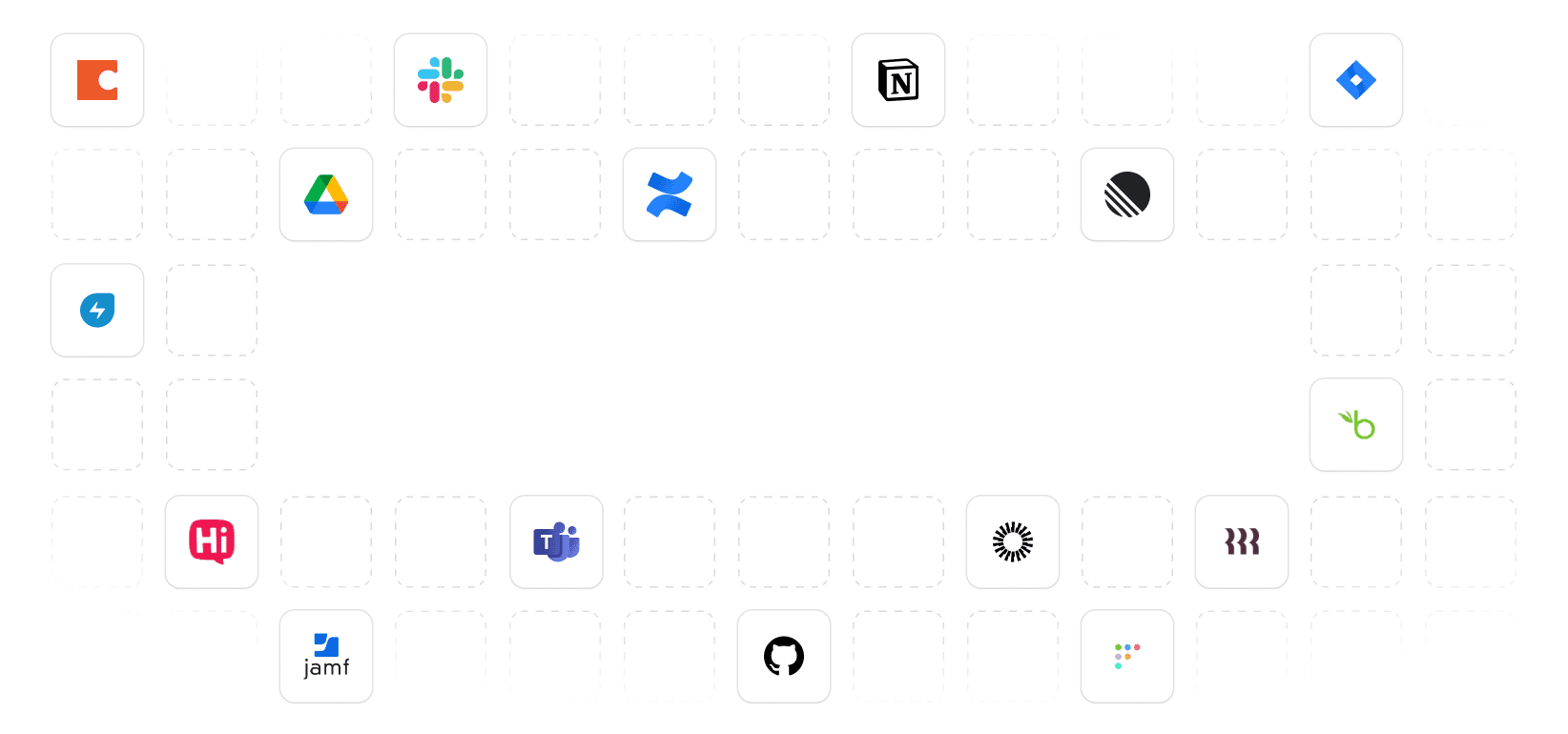
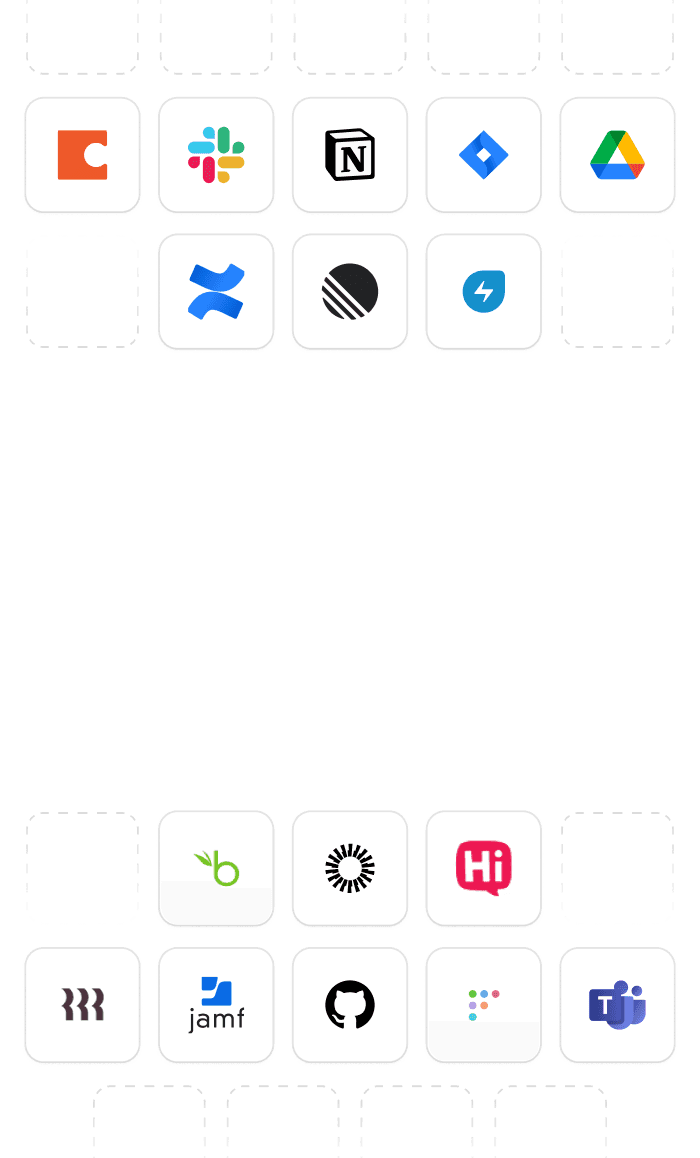
Integrated with the tools you already use
Pull data and automate workflows across your entire stack
InteGRATIONs
Integrated with the tools you already use
Pull data and automate workflows across your entire stack
Built for enterprise,
secure by design
Built for enterprise,
secure by design
From request to resolution, give your teams full context, automated workflows, and AI assistance, all within Slack.
From request to resolution, give your teams full context, automated workflows, and AI assistance, all within Slack.
SOC2

HIPAA

GDPR
FAQ
Does Ravenna work in Microsoft Teams?
Yes. Ravenna runs in both Slack and Teams natively so your team can raise tickets and get resolution in the same apps they work in without switching.
Does Ravenna work in Microsoft Teams?
Yes. Ravenna runs in both Slack and Teams natively so your team can raise tickets and get resolution in the same apps they work in without switching.
How do I control what Ravenna automates?
Configure the conditions and approval steps in your workflows. An approval step can pause a workflow until a person approves or denies the request. Review the steps in the workflow editor before publishing, and update them when your policies change.
How do I control what Ravenna automates?
Configure the conditions and approval steps in your workflows. An approval step can pause a workflow until a person approves or denies the request. Review the steps in the workflow editor before publishing, and update them when your policies change.
What kinds of employee requests can Ravenna resolve?
Ravenna can answer questions using connected knowledge and complete configured actions across your tools. Common examples include access troubleshooting, password and MFA resets, software provisioning, and onboarding tasks. What Ravenna can resolve depends on the integrations, permissions, and approval rules your team configures. When a person needs to step in, the request can continue with its context intact.
What kinds of employee requests can Ravenna resolve?
Ravenna can answer questions using connected knowledge and complete configured actions across your tools. Common examples include access troubleshooting, password and MFA resets, software provisioning, and onboarding tasks. What Ravenna can resolve depends on the integrations, permissions, and approval rules your team configures. When a person needs to step in, the request can continue with its context intact.
See a request resolve
in your own workspace
See a request resolve in your own workspace
Book a demo and we'll run a real request start to finish in your Slack or Teams, at the autonomy level you set. You'll watch it work before you commit to anything.



Ravenna Software, Inc., 2026
Ravenna Software, Inc., 2026
Ravenna Software, Inc., 2026
Ravenna Software, Inc., 2026